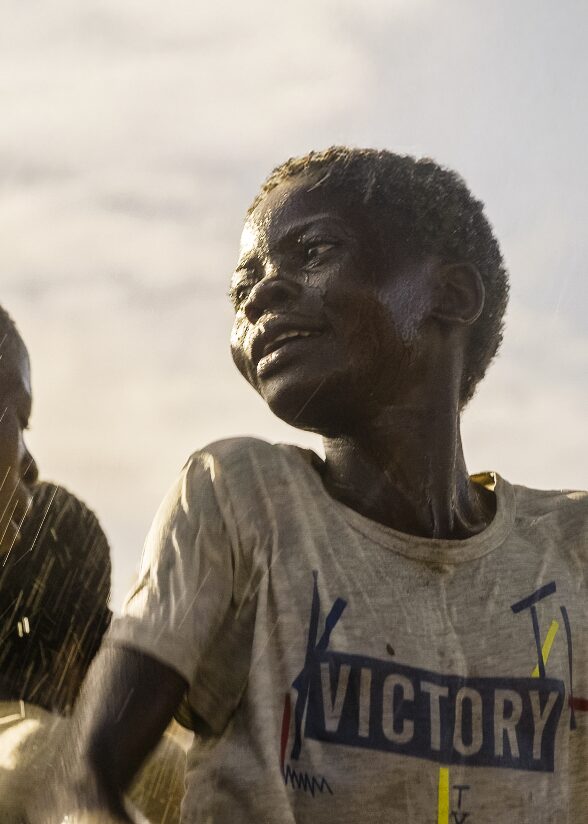

A child gazes off to the side as drops of water soak his white “Victory” t-shirt.

The impact of
clean water

Discover how progress flows when communities tap into clean water.

The average Canadian uses 225 litres of water per day. In my three-person household, that adds up to roughly 675 litres daily—equivalent to about 4.5 bathtubs full of water. Living in Canada, which boasts the world’s longest coastline and vast freshwater resources, it’s easy to take our access to water for granted.
But for billions of people in the world’s most impoverished regions, clean water is a luxury—often a distant dream.

  • At least two billion people lack access to safe drinking water.
  • More than half of the world’s population live without basic sanitation like latrines and toilets, making safe hygiene nearly impossible.
  • At least 1.7 billion people rely on water sources contaminated with microbes, putting them at constant risk of waterborne illnesses.

Donate Now

It’s hard to grasp the scale of this disparity from a global perspective. So what does water inequality look like when zoomed in on a single community?


A group of people walk down a tree-lined dirt road carrying buckets and jerry cans.

Hippos, crocodiles and the real cost of water

In Taveta, Kenya, families rise before dawn to begin the first of many treks to the nearest body of water—a journey that can stretch up to 20 kilometres.
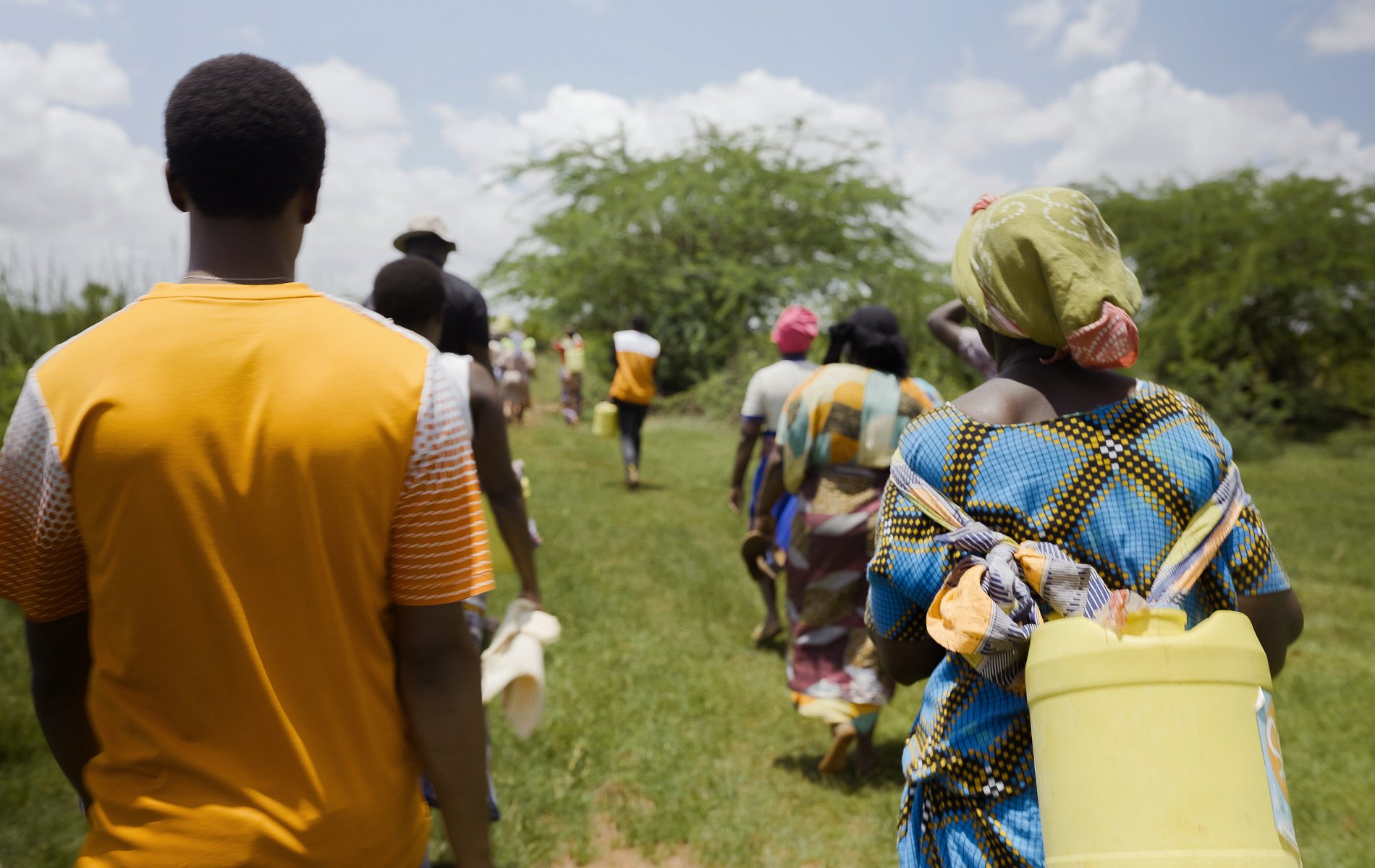
A group of men and women walk across an open field carrying buckets and jerry cans.

Over the course of a month, that adds up to more than 40 hours—an entire work week—dedicated to this arduous task.

That leaves little time for children to attend school, and for parents to earn a living or manage their households.

The time stolen by the walk for water leads to:
  • A 25 per cent drop in school attendance.
  • A 60 per cent rise in preventable illnesses caused by dirty water sources.
  • No time to generate an income, and no chance for economic empowerment.


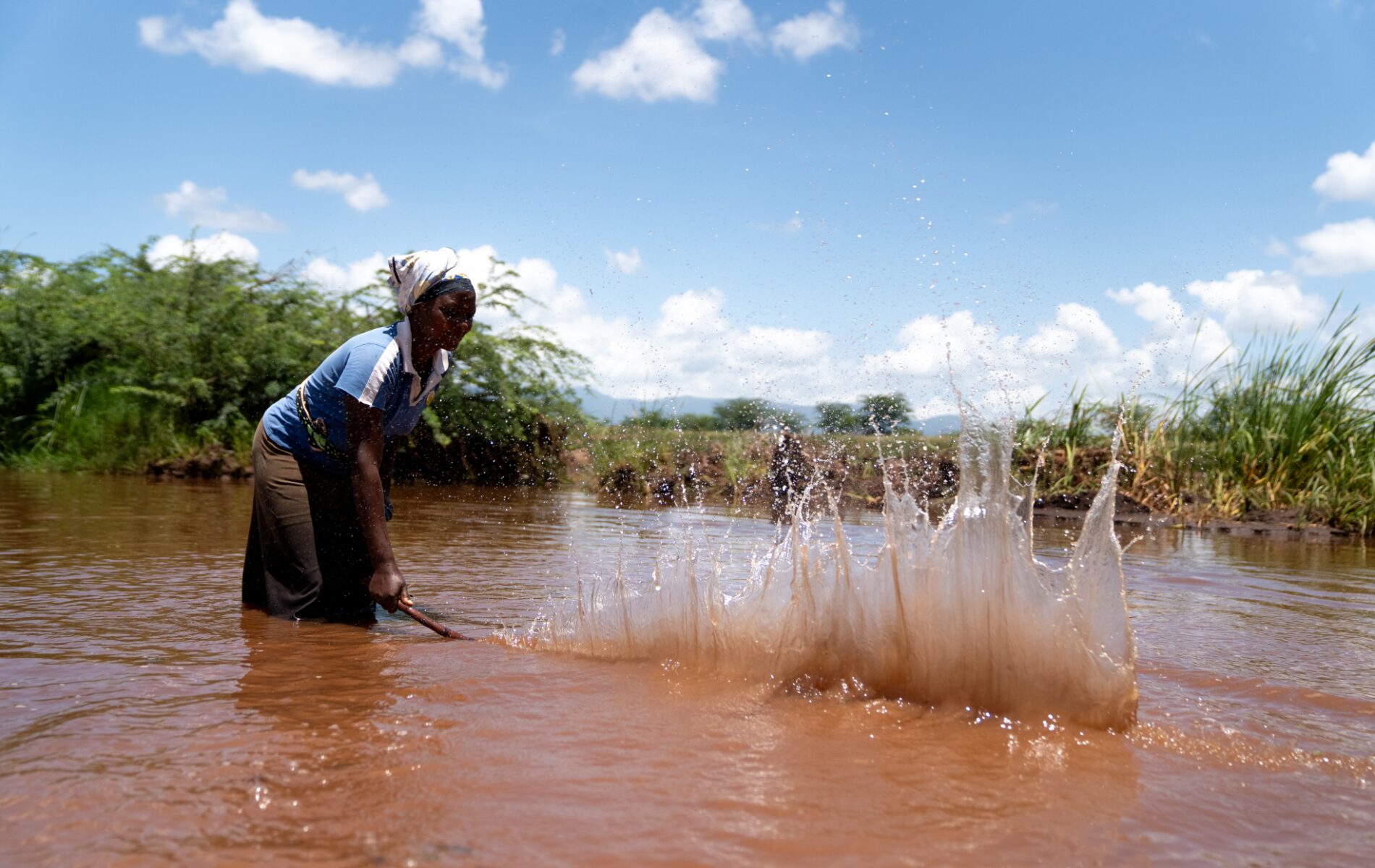
A woman uses a long stick to strike the surface of a pool of brown water, causing a big splash.

The walk for water also presents dangers of a different kind: wild animals. In Taveta, women collecting water 40 minutes away from their community strike the water with long sticks to scare away the crocodiles and hippos that lurk beneath the surface.

They’ve lost three children to wild animal attacks this year and they’re not taking any more chances.
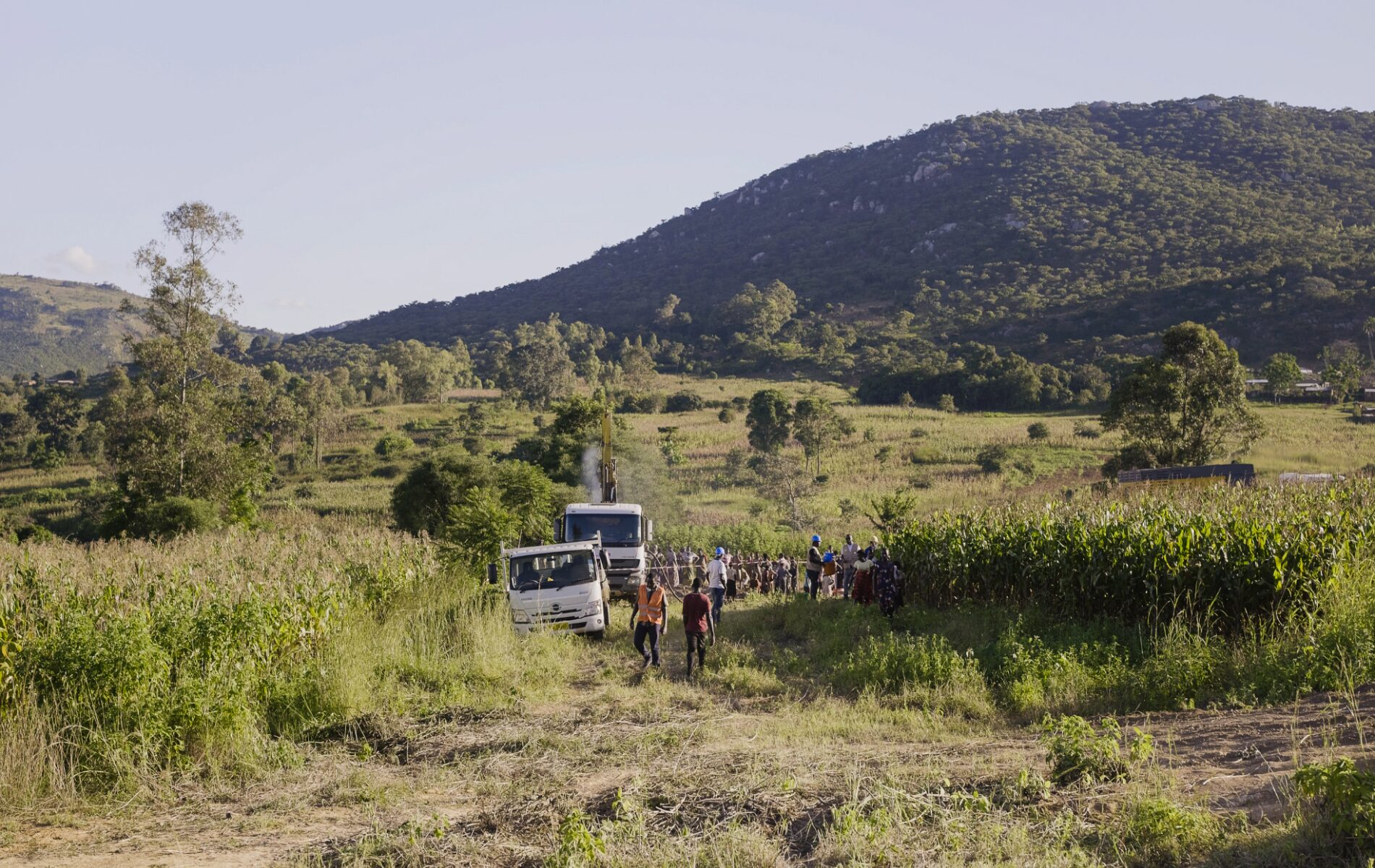
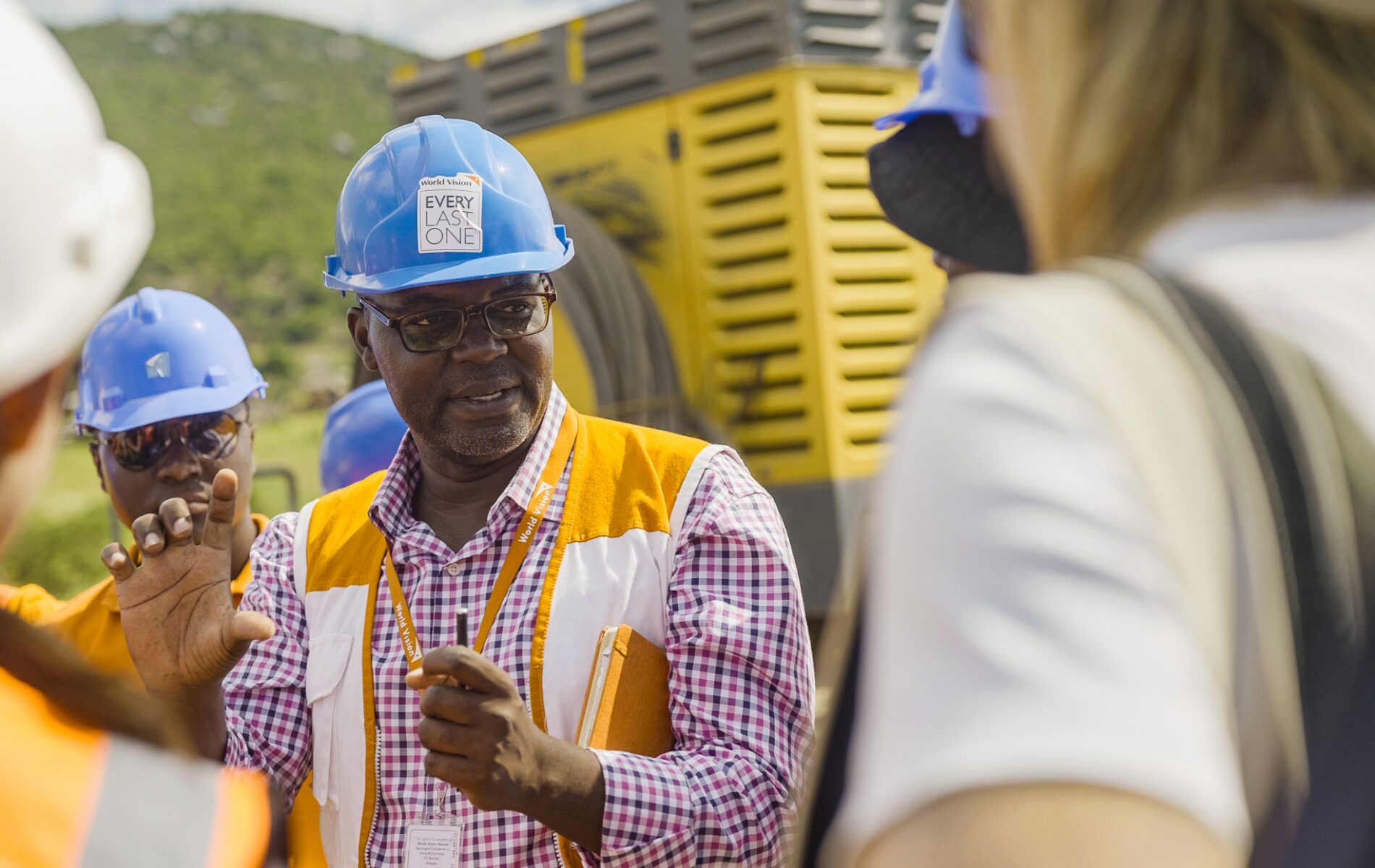
Two trucks and a group of people travel through a grassy terrain, with a mountain in the distance. A man wearing an orange World Vision vest and a blue hard hat addresses a crowd of people.

Turning the tide: The birth of a borehole

It takes years of expert planning, countless hours of research and deep community insight before equipment and workers are brought in to start digging a borehole.
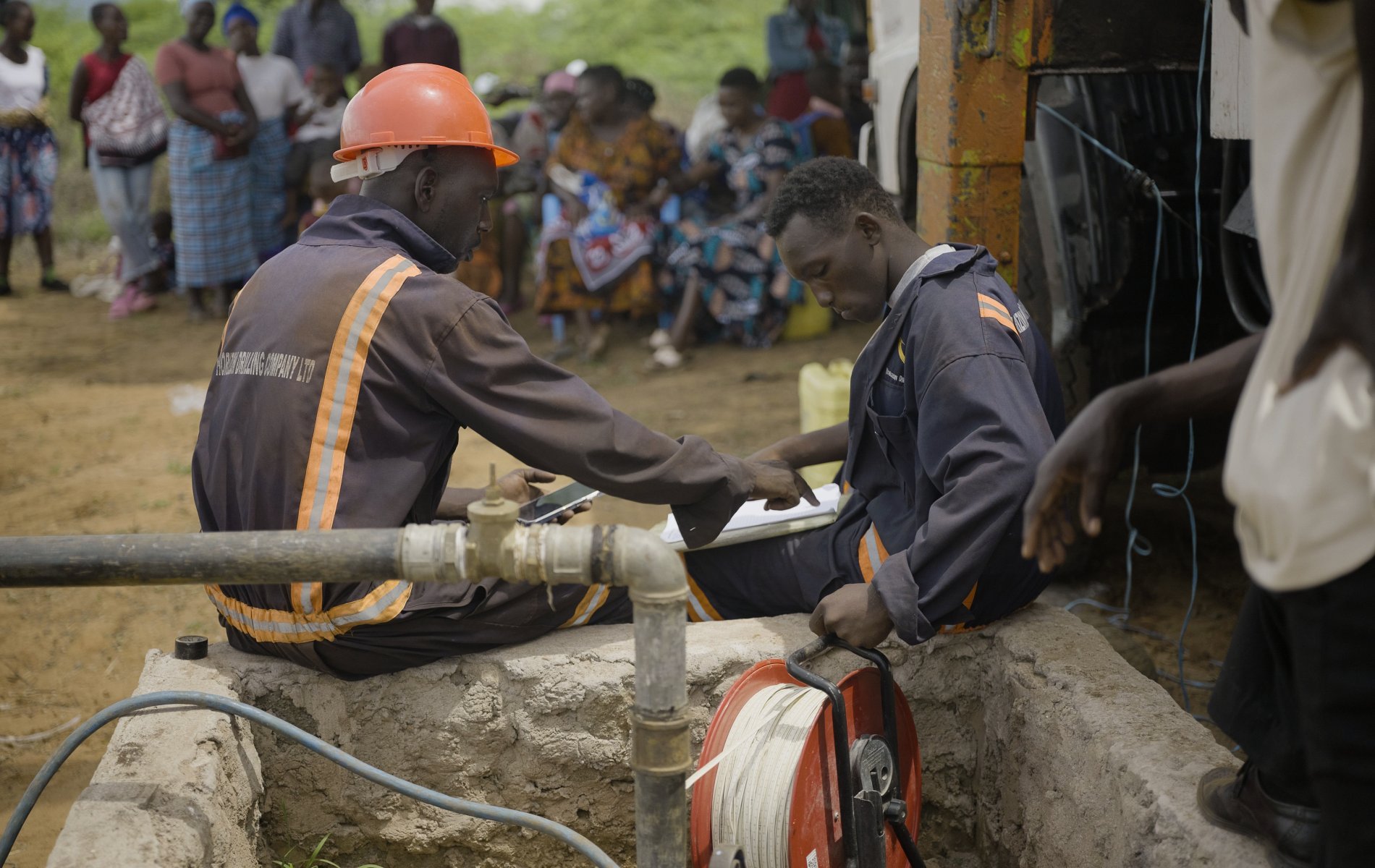
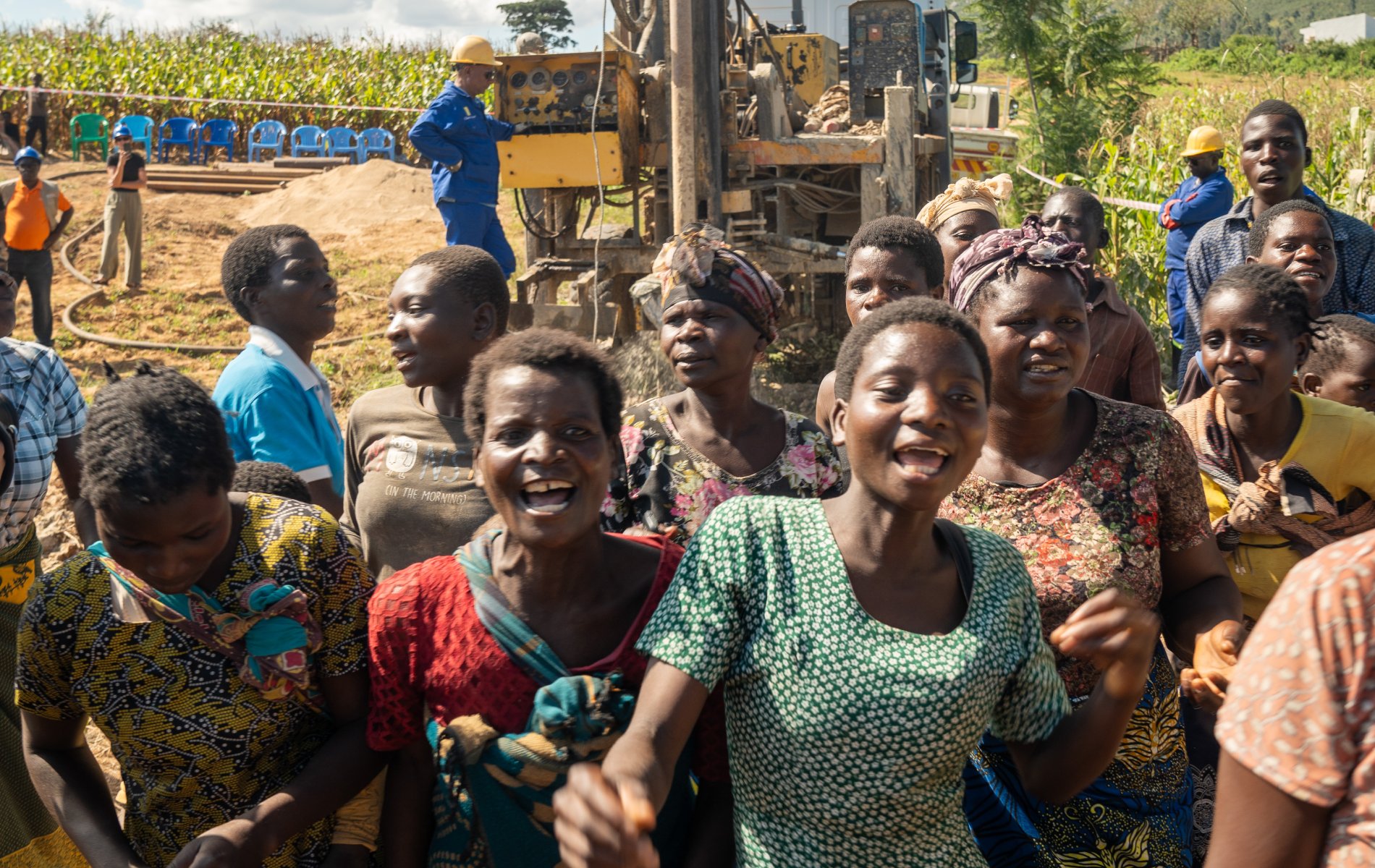
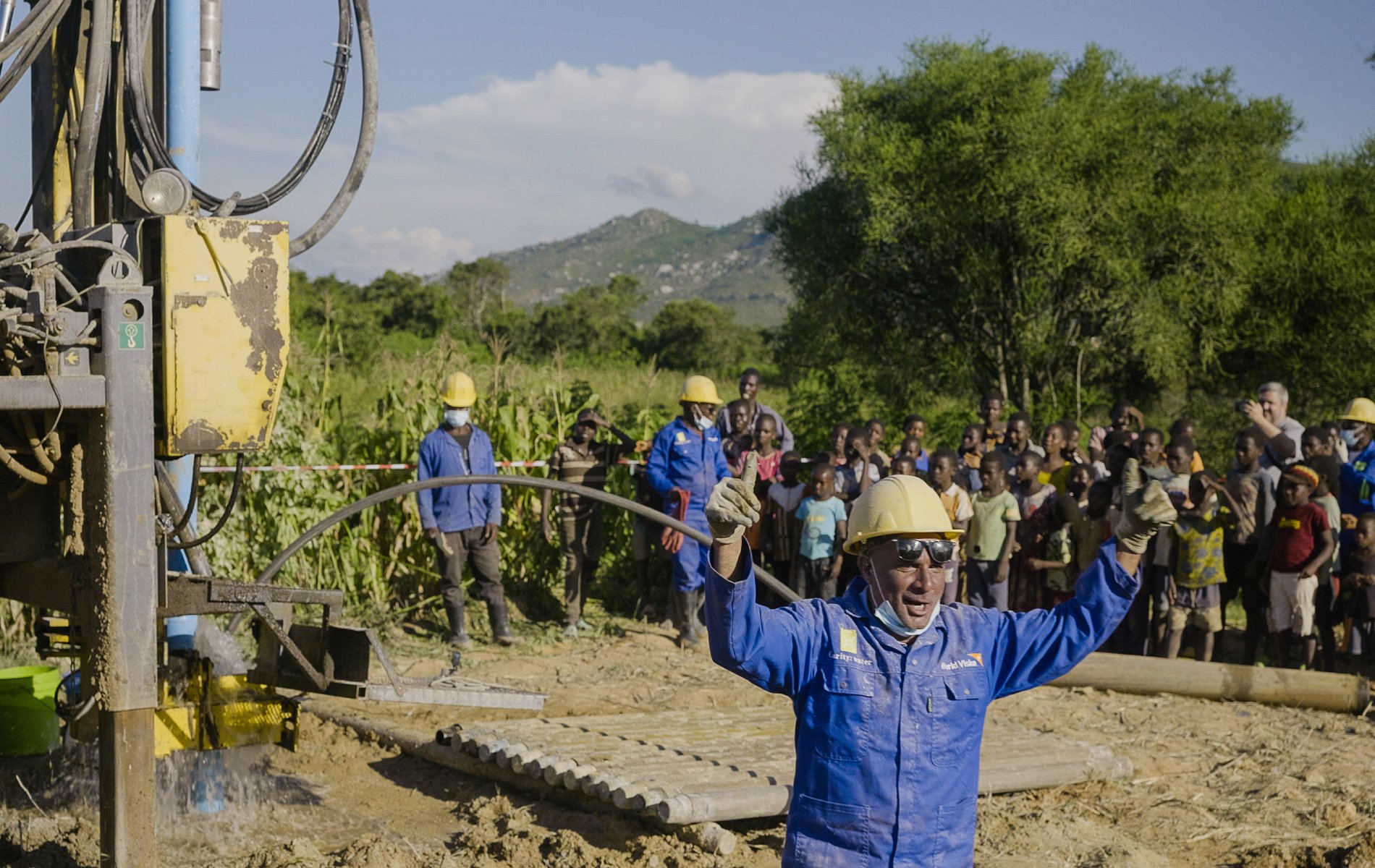
Two workers survey a borehole dig site while community members watch in the background. A group of women wearing colourful dresses sing and dance at the borehole dig site as workers watch. A worker wearing blue coveralls and a yellow hard hat gives two thumbs up, while a crowd watches a safe distance away.

Once work begins, girls and boys, women and men gather at the dig site—drawn by curiosity and excitement—knowing this is a pivotal moment in their community’s history.
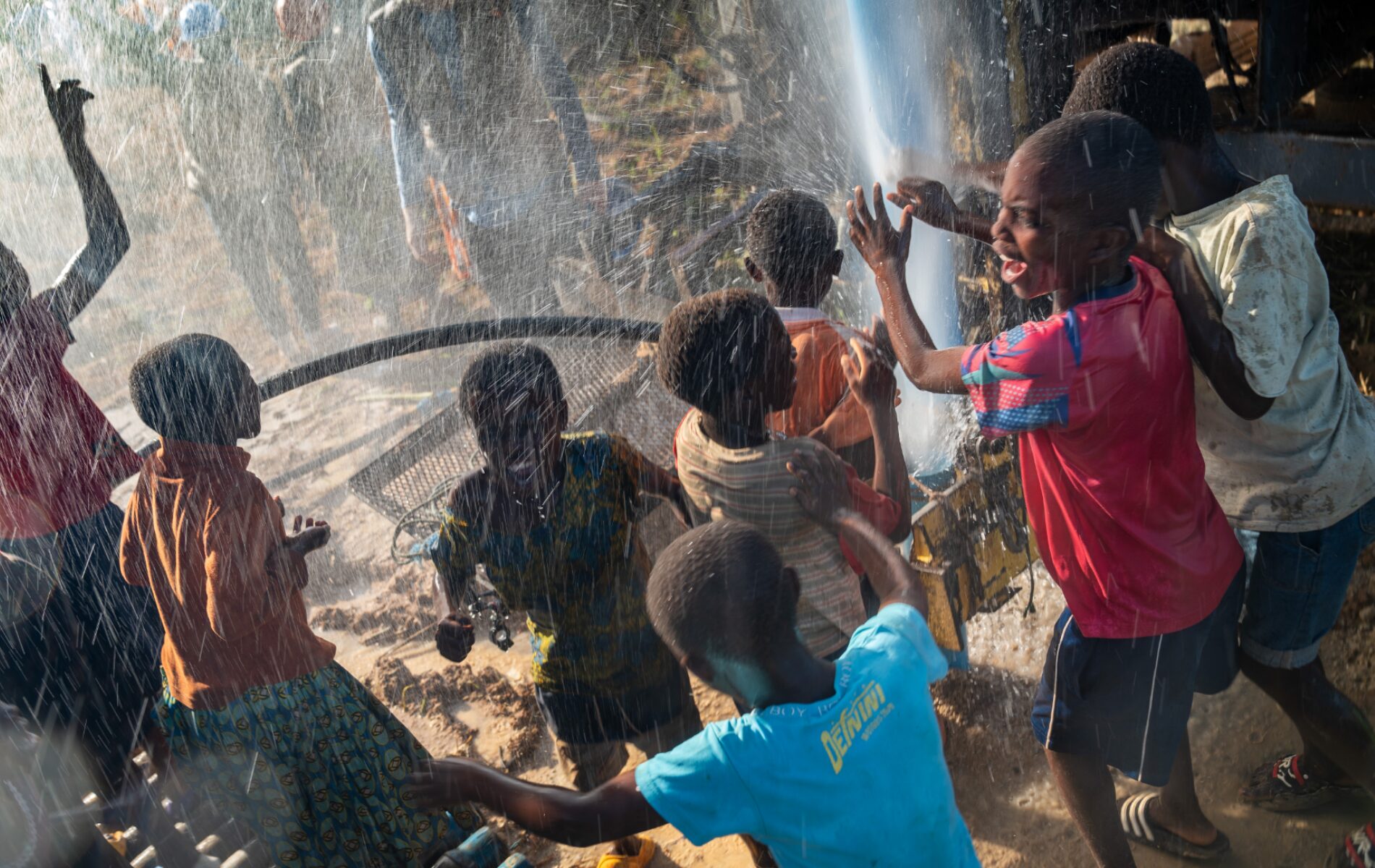
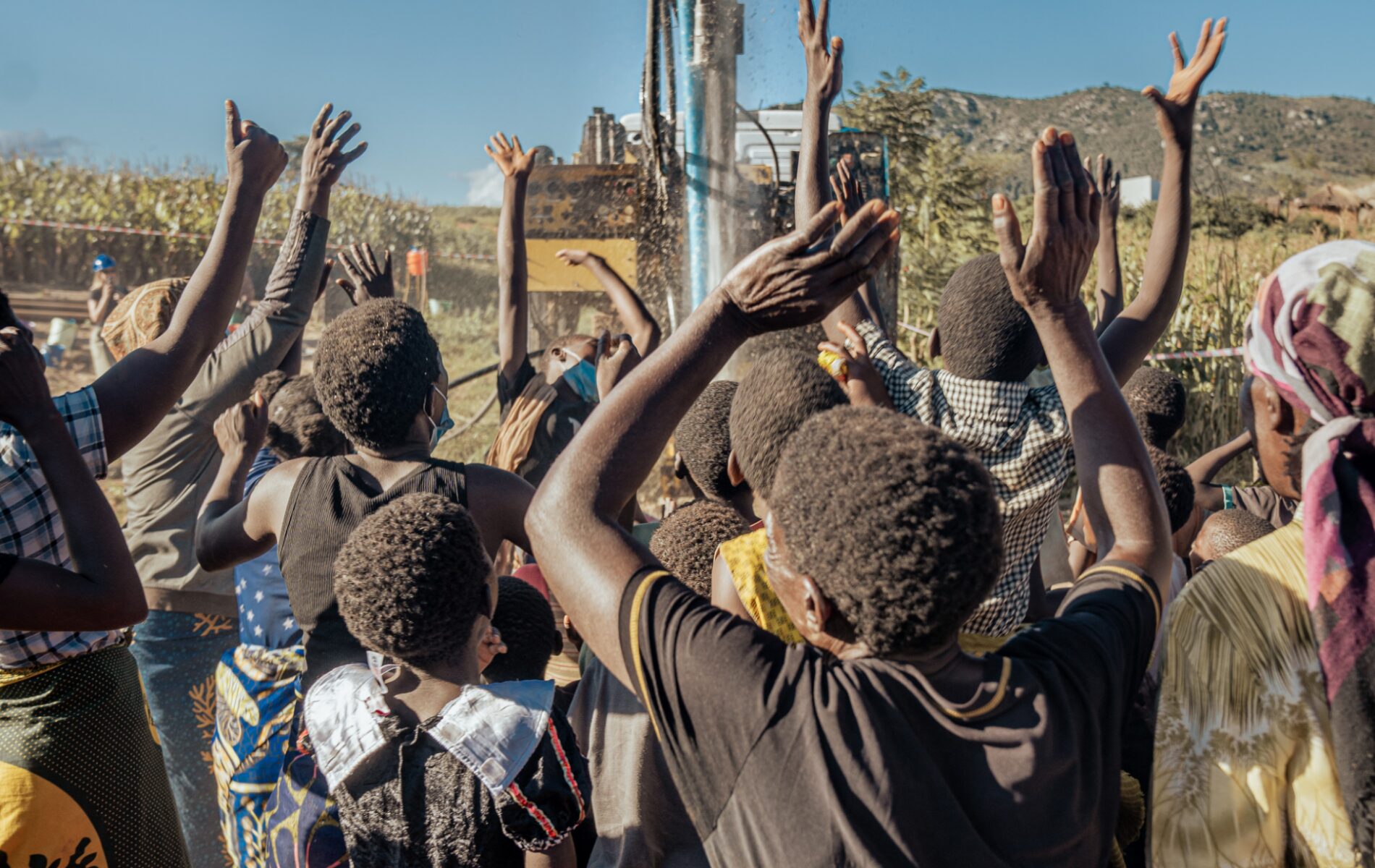
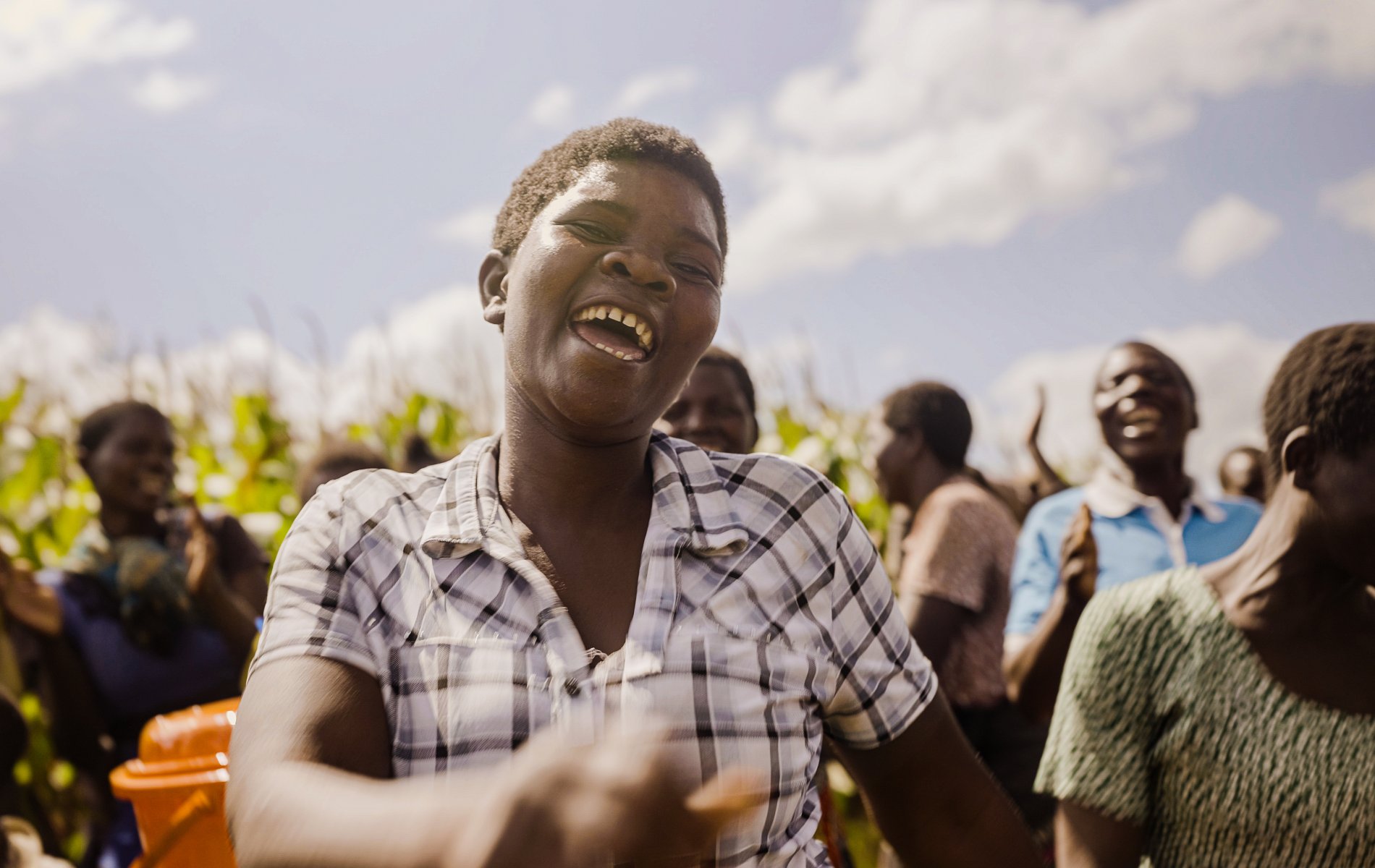
Children celebrate as a geyser of water bursts forth from a newly dug borehole. A crowd of people cheer when clean water sprays out of a newly dug borehole. A woman laughs and dances with joy as she celebrates with her community.

The entire community erupts in celebration—singing, dancing and cheering—as the water bursts from the ground like a geyser. It’s a moment of pure joy, impossible to contain, reflecting years of waiting, dreaming and resilience.
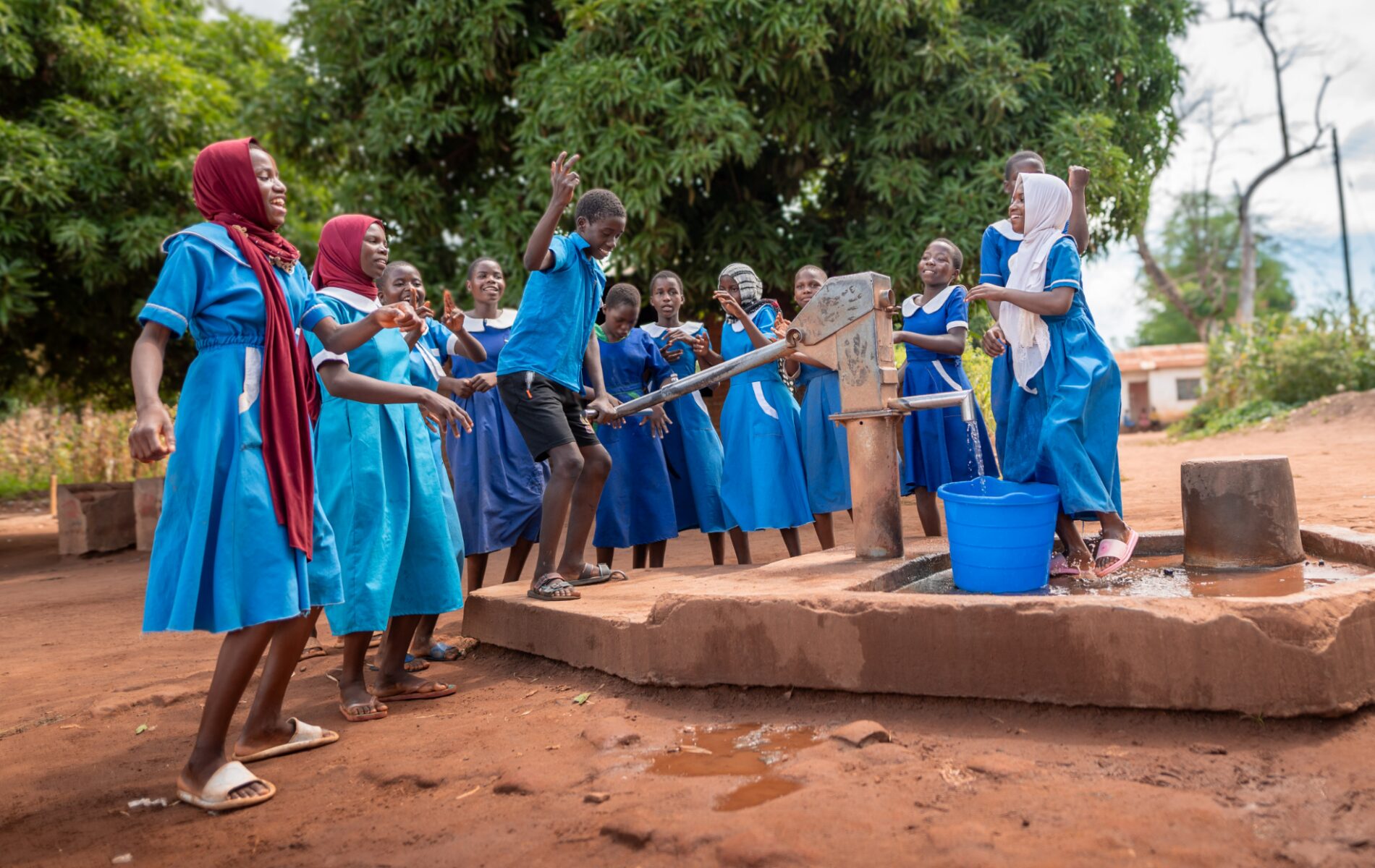
At a new community water station, a schoolboy playfully pumps water into a blue bucket as schoolgirls in blue uniforms cheer him on.

Feel the ripple effect

With water within reach, progress doesn’t just flow—it gains momentum, carrying the community from strength to strength.

Communities gain back time, health and opportunity. That’s when the next phase of their transformation begins.
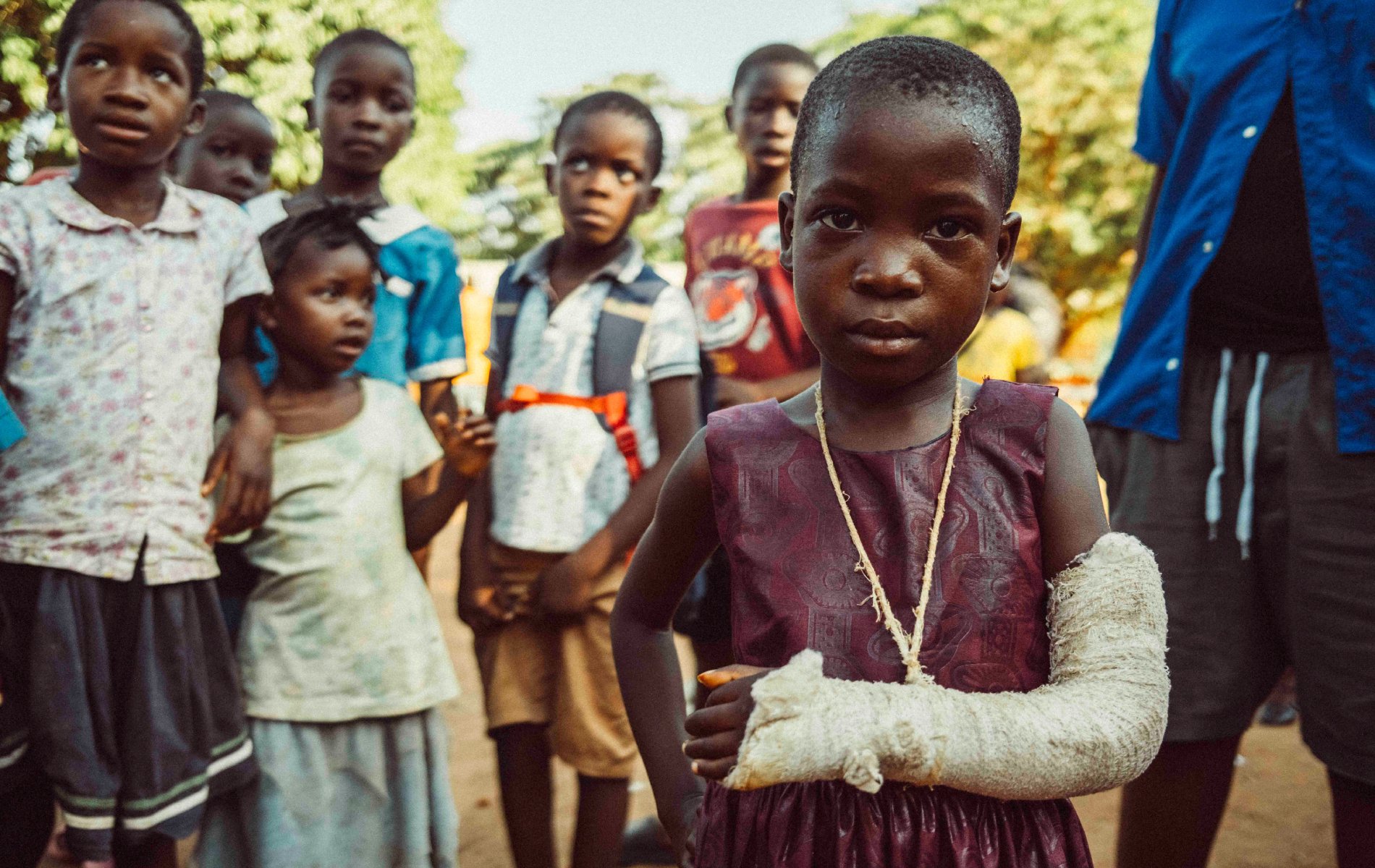
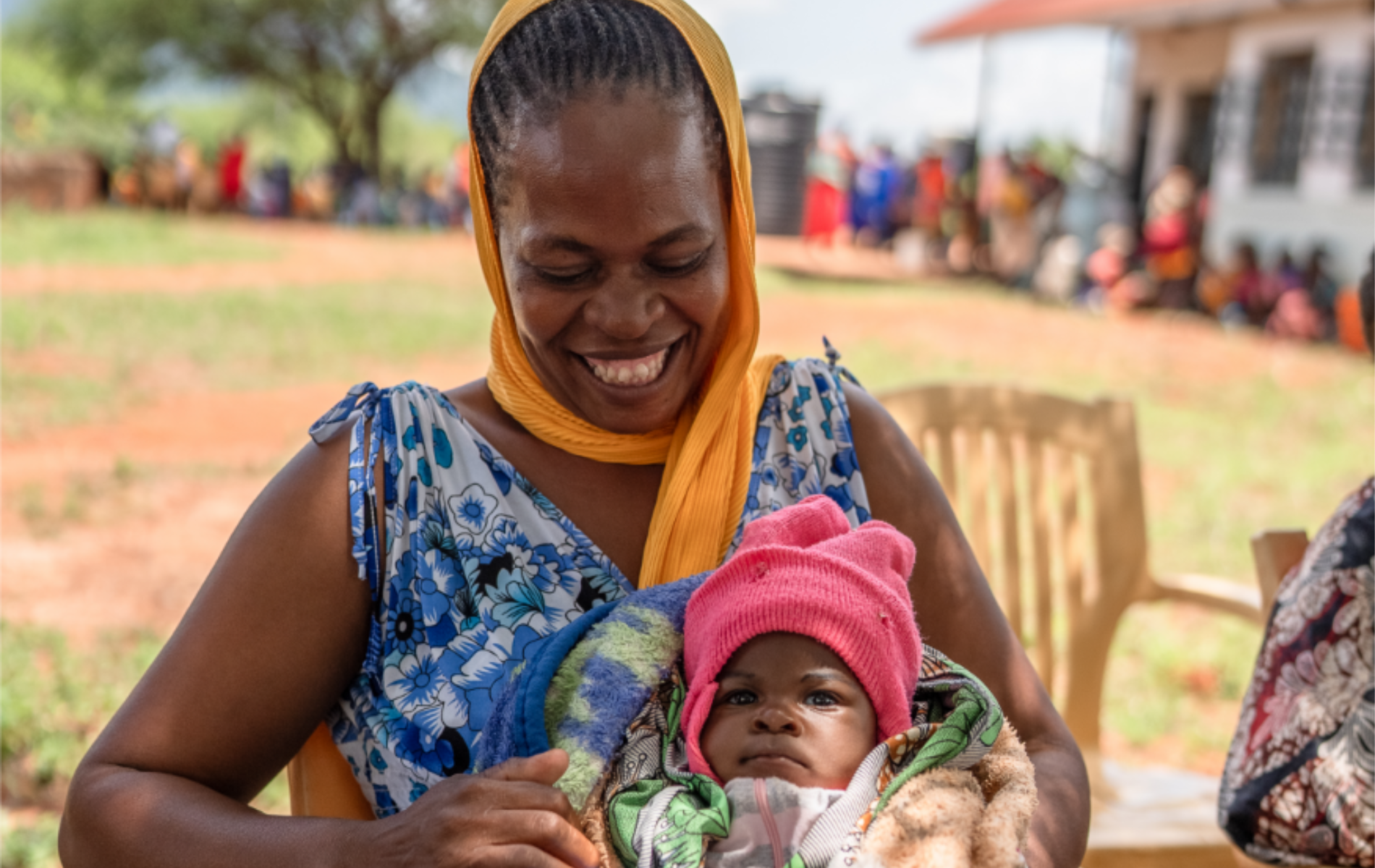
A child with her left arm in a cast, poses with her right hand on her hip. A mother gazes lovingly at the baby on her lap.

Health systems strengthen:

  • Clinics shift from treating waterborne diseases to offering maternal care, vaccinations and nutrition programs
  • Hygiene education helps prevent illness before it starts.
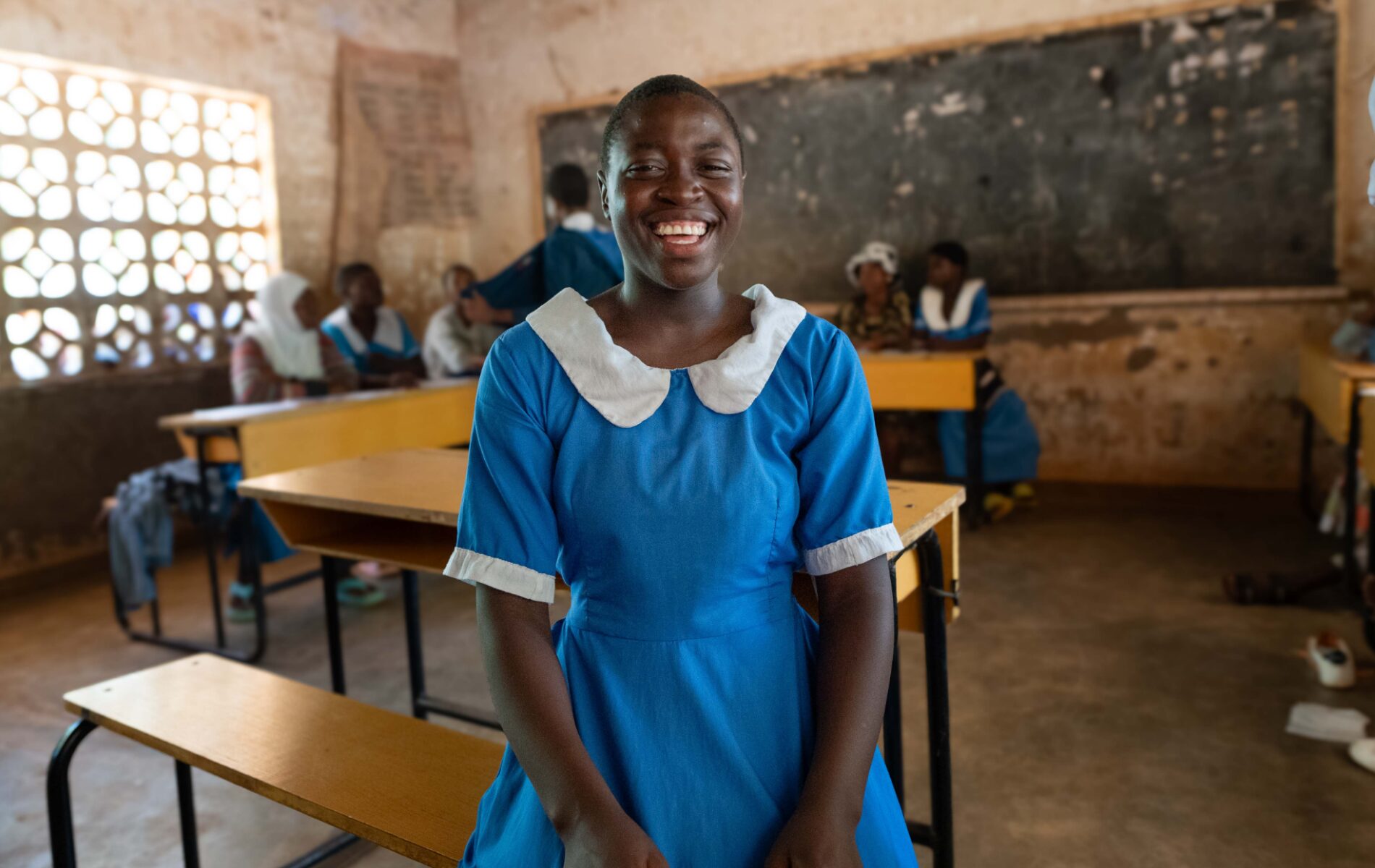
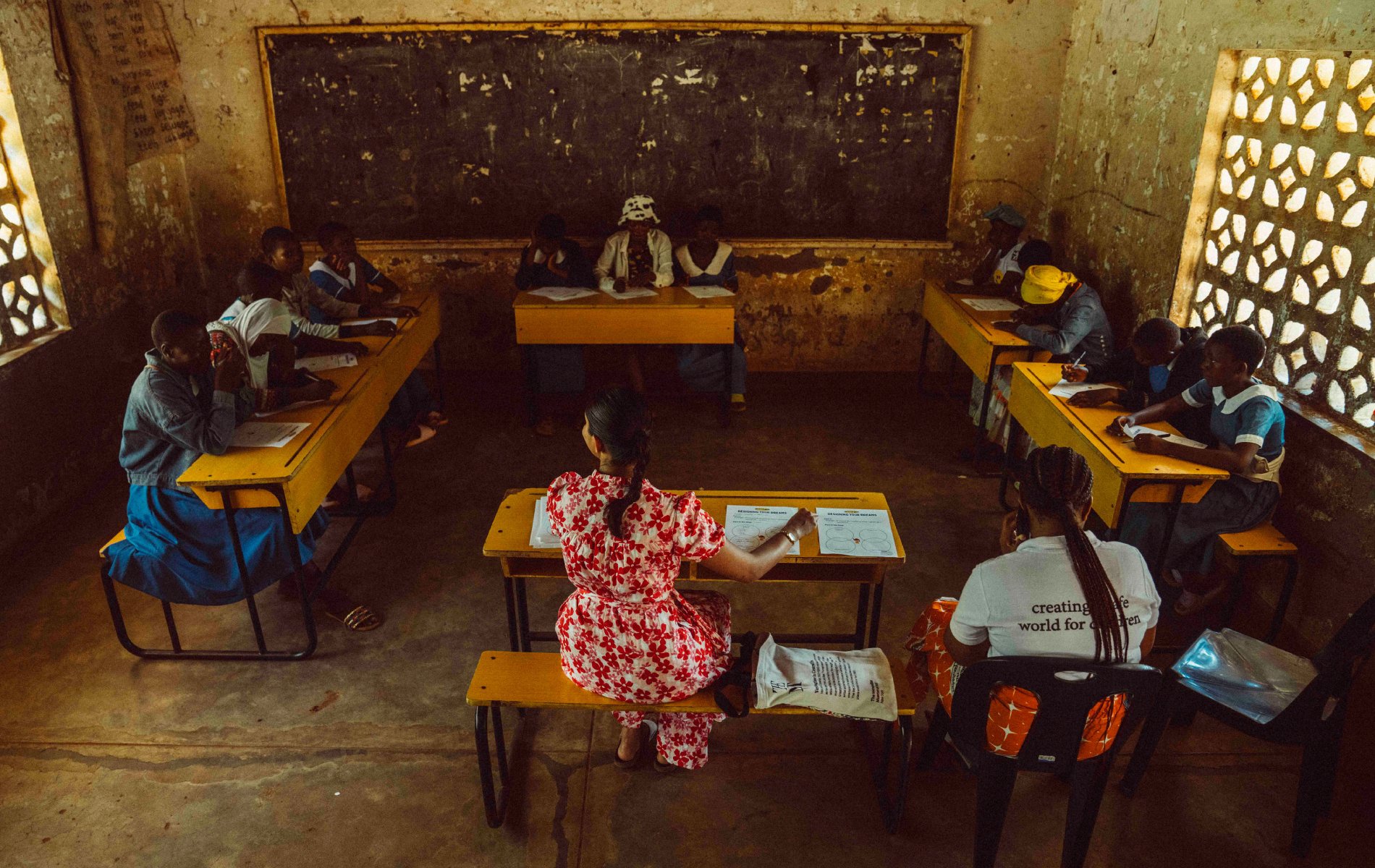
A schoolgirl laughs as she sits on a bench in her classroom. An overhead shot of a classroom scene in Malawi.

Education improves:

  • Children, especially girls, attend school regularly.
  • School attendance rises by 25 per cent, supported by clean facilities and proper sanitation.
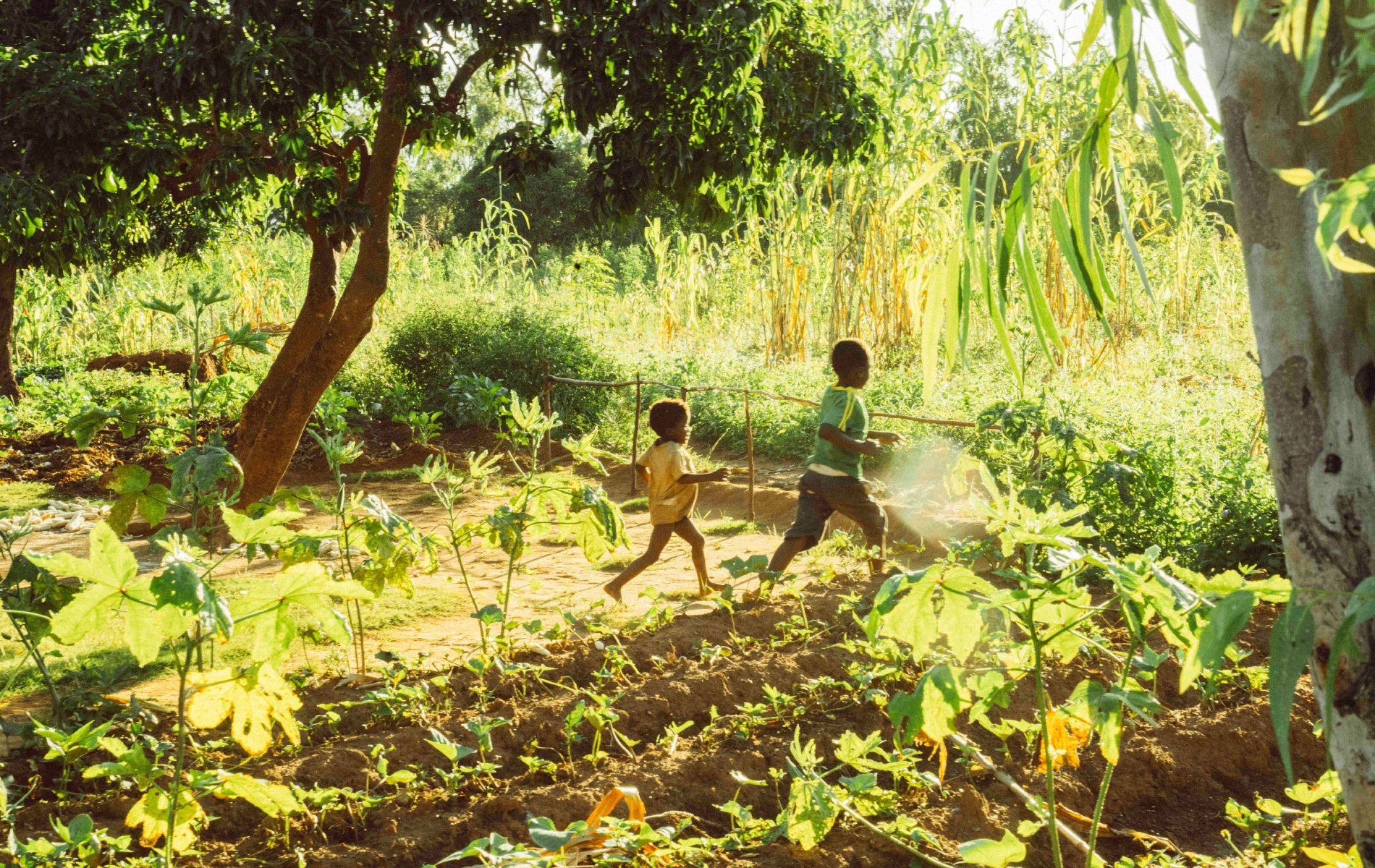
Two children run through a small farm of newly planted crops. A group of women stand in a cornfield.

Economic opportunities grow:

  • Parents join savings groups, learn new skills and start small businesses.
  • Farmers irrigate their crops and raise animals, improving food security.
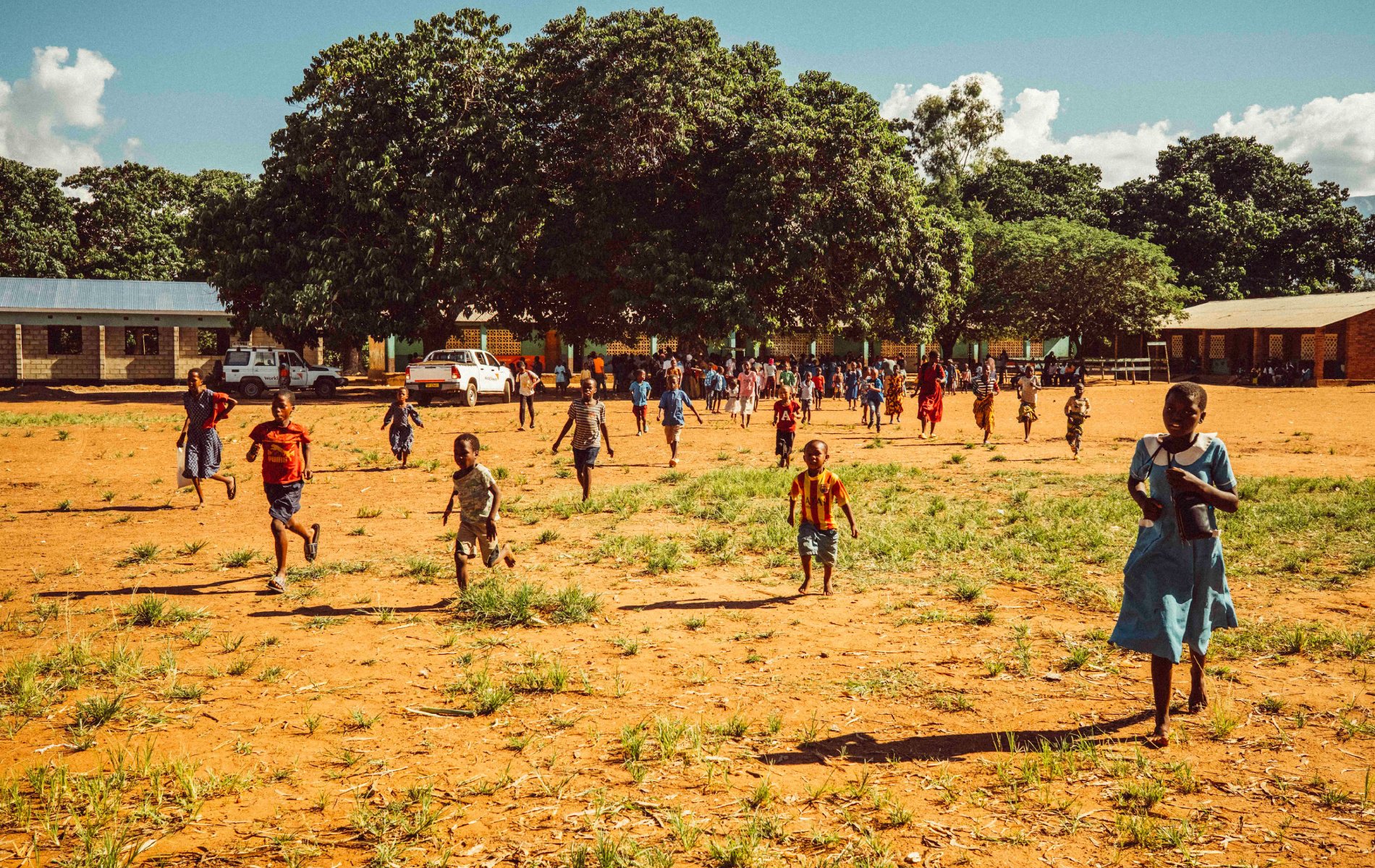
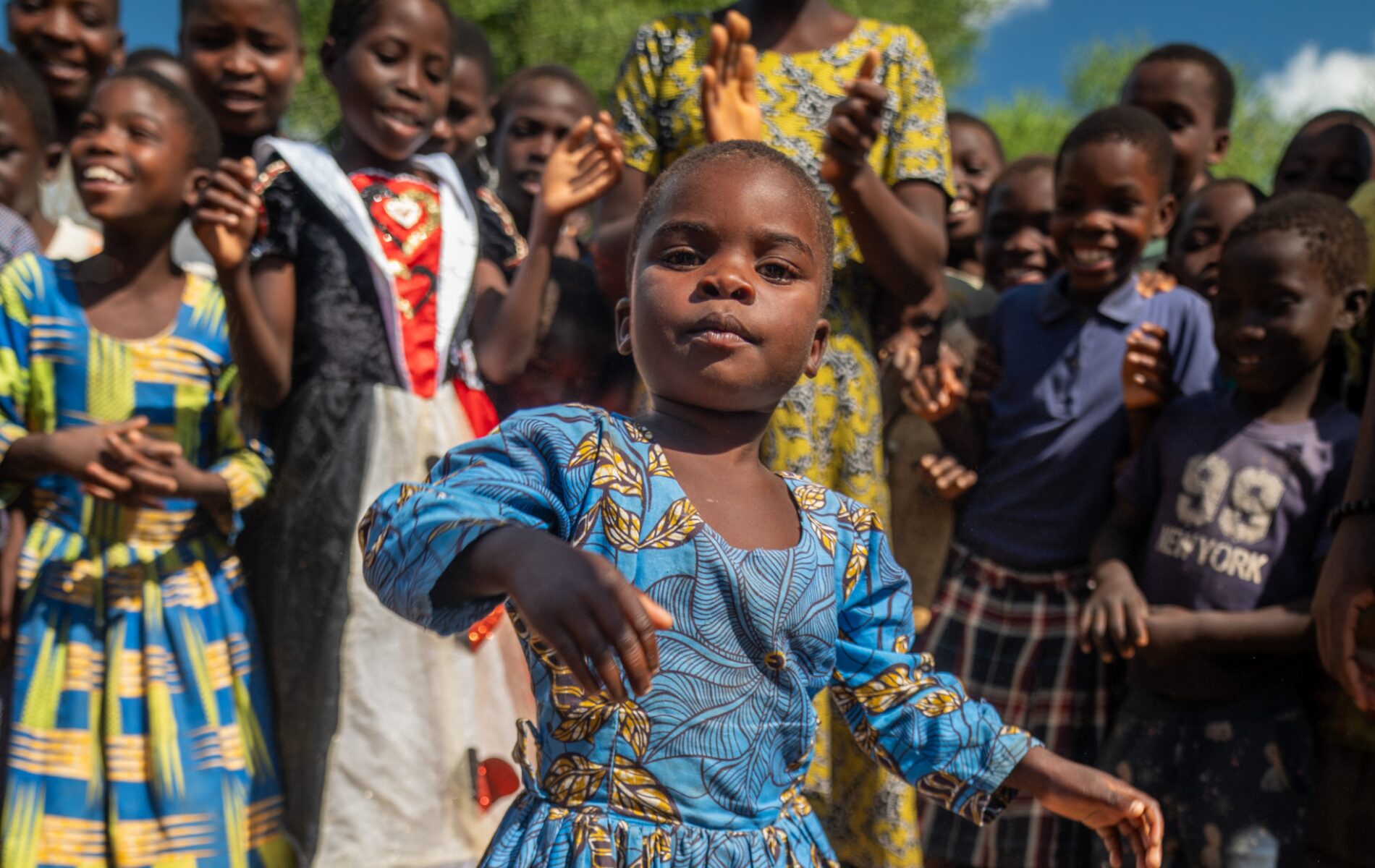
Children of various ages run through their schoolyard. https://d1h8xmz1y5a4ga.cloudfront.net/rhythms-of-change-photo-essay-toddler-in-a-blue-dress.jpg

Social change accelerates:

  • Girls gain choices beyond early marriage and childbearing.
  • Children are safer from long water walks and poverty-related risks.
  • Communities are empowered to protect their most vulnerable—especially women and children.
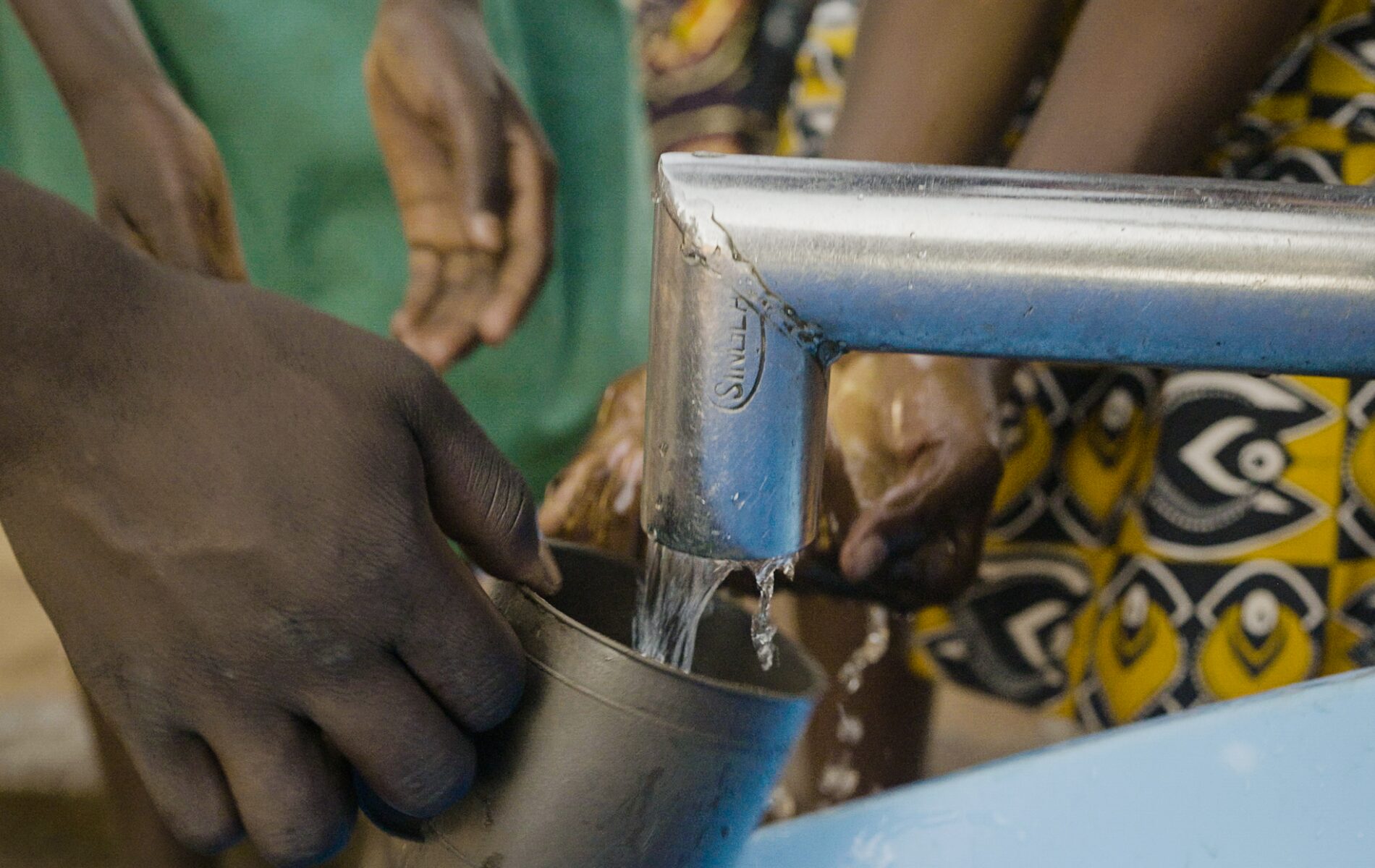
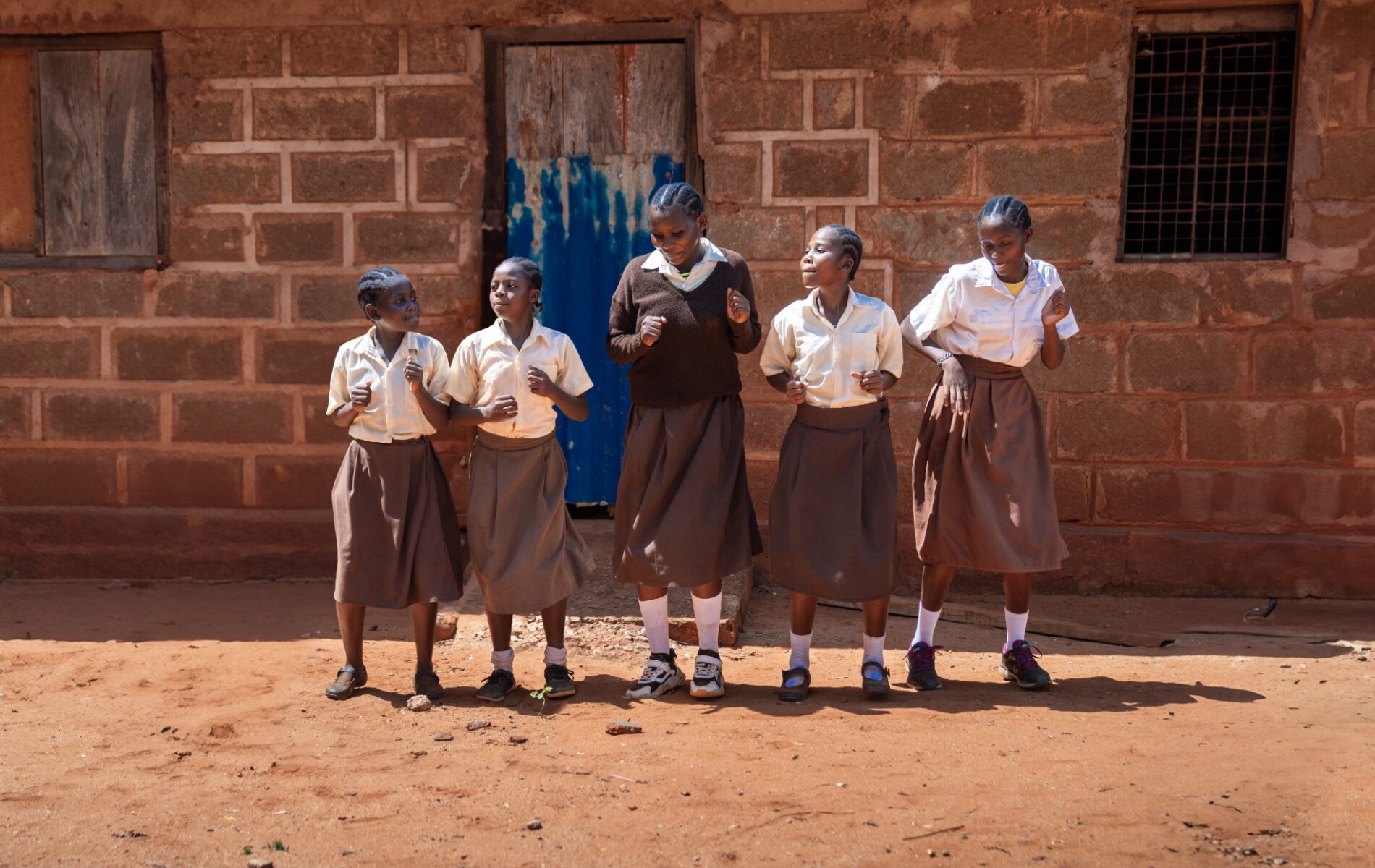
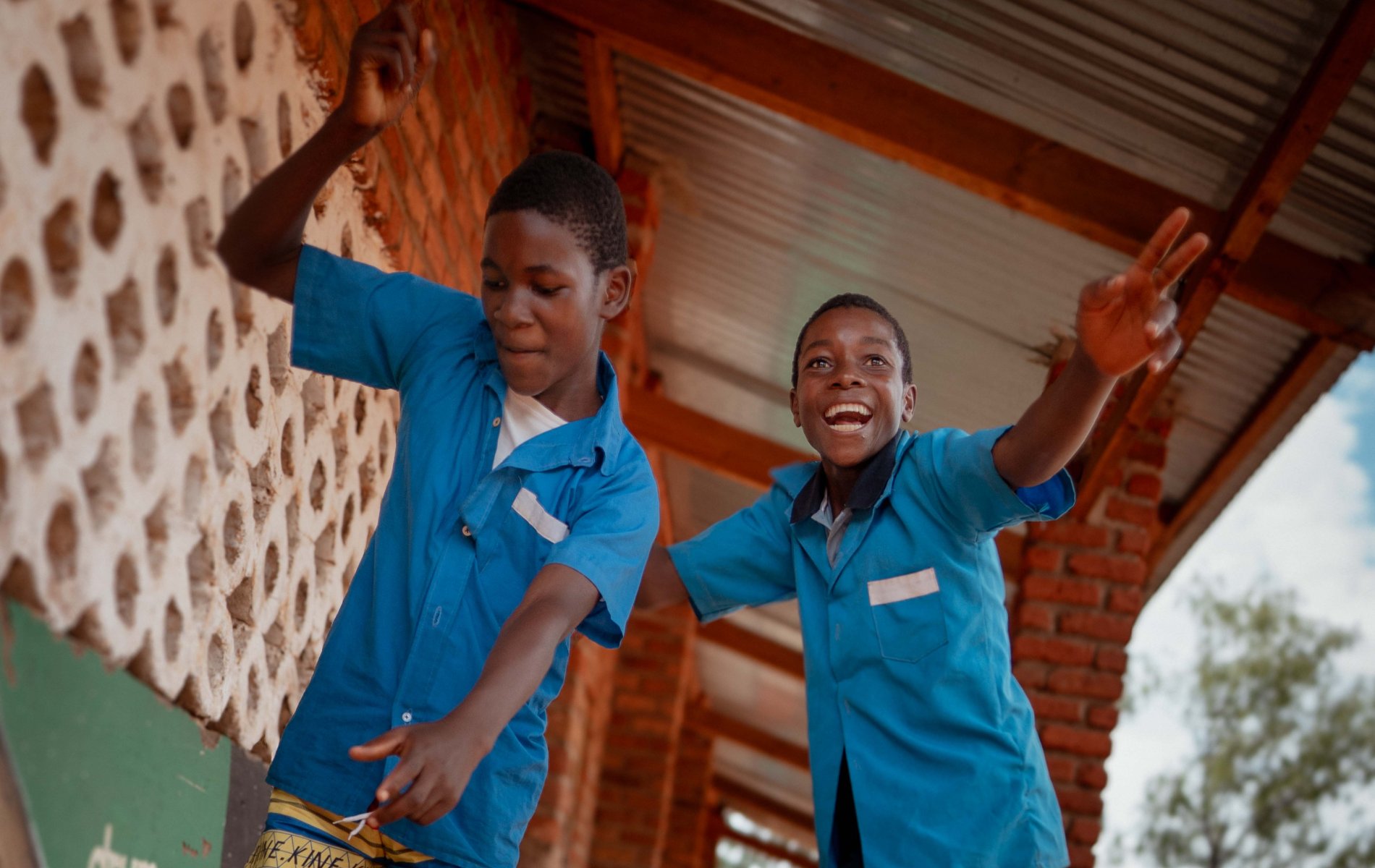
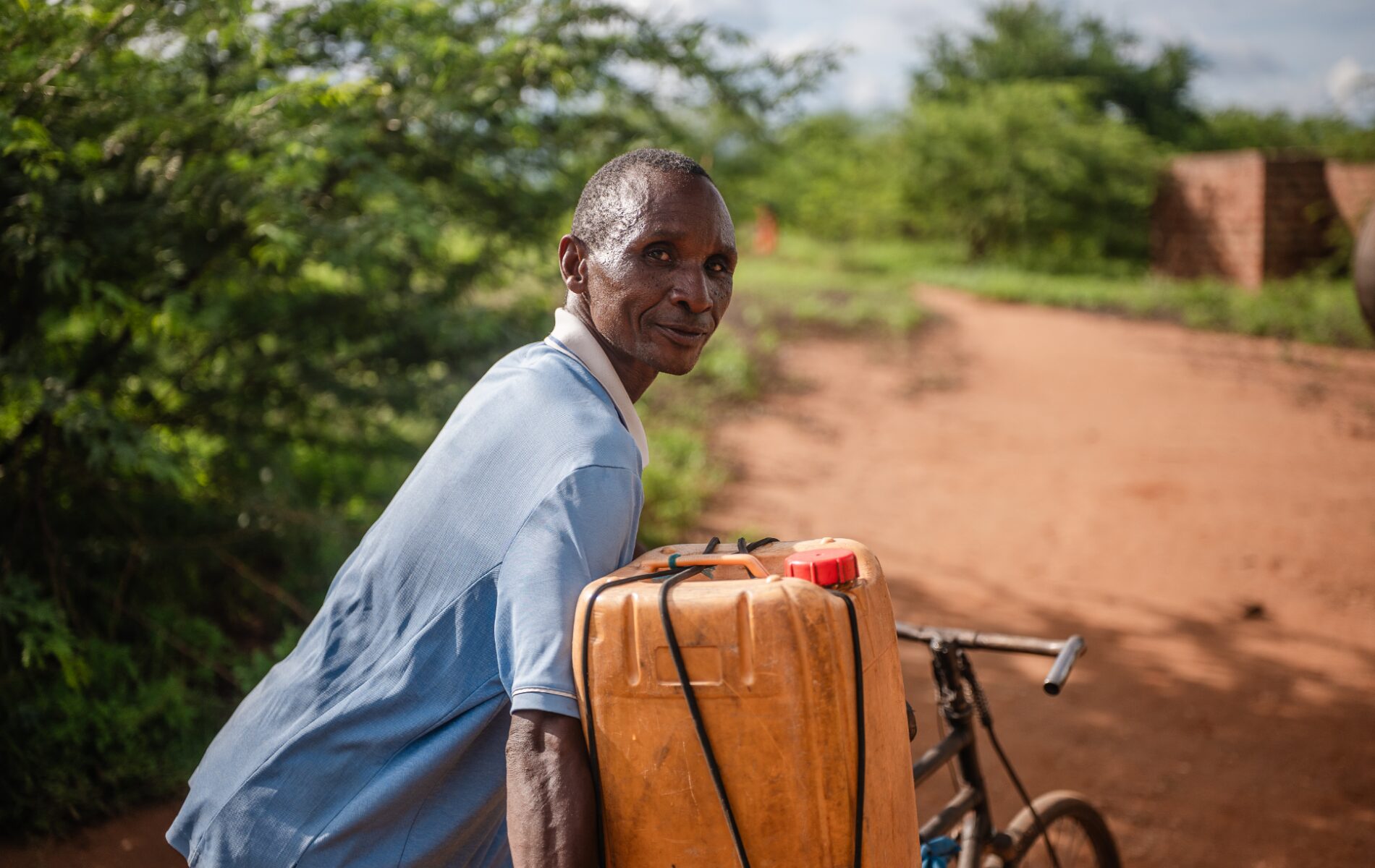
Clean water flows out of a faucet and into a metal cup. Five girls wearing brown and white school uniforms dance in front of a wall. Two school boys show off their dance moves outside a building with a metal roof. A man on a dirt road looks over his shoulder, as he balances a jerry can strapped to a bike.

Tap into the rhythms of change

The truth about water is crystal clear.

Water should be a right for all, not just for a privileged few.

It’s time to turn awareness into action, so that clean, safe water flows freely for everyone, everywhere.

Join us in ending the water crisis in Taveta, Kenya. Rhythms of Change is bringing clean water closer to home for over 3,000 people by refurbishing wells and installing pipelines and solar panels. Help us raise $200,000 to make this life-changing project a reality. Every drop counts.